Blended learning in skills-based curriculum


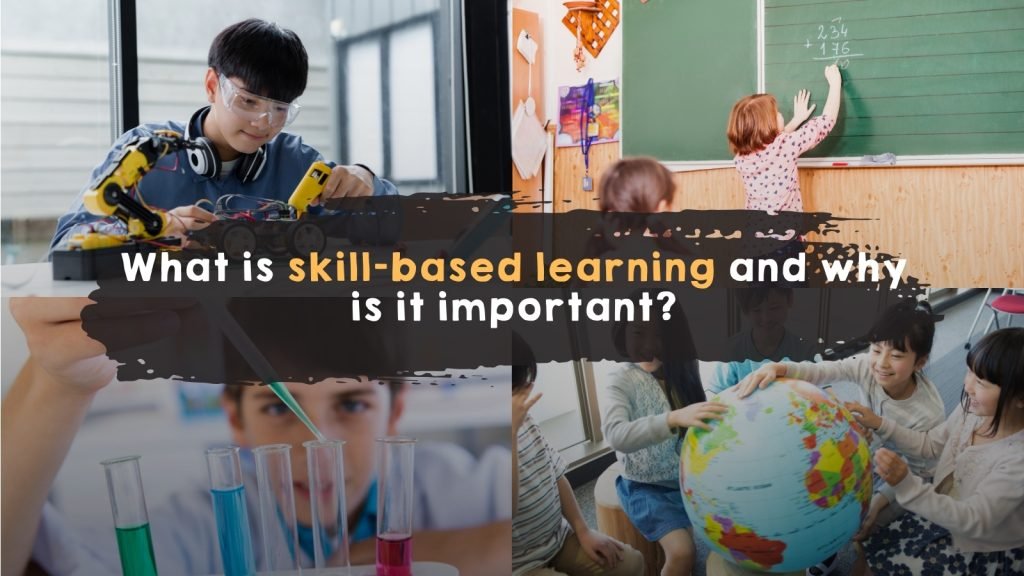
In today’s constantly shifting educational landscape, the conventional emphasis on rote memorization and standardized testing is being challenged by a more dynamic and practical approach: skill-based learning. This educational paradigm shift emphasizes the development of fundamental abilities over the acquisition of knowledge. In a city known for its rich educational tradition, a progressive education school in Pune, such as 2Sigma Schools, is leading the way in this evolutionary strategy.
Skill-based learning, also known as competency-based learning, focuses on the development of practical abilities that students may use in real-world circumstances. This strategy contrasts with traditional schooling, which frequently focuses on theoretical knowledge and the capacity to recall information for tests. The focus of skill-based learning is on “learning by doing” and acquiring competencies that are critical for success in today’s environment.
The answer is simple. It prepares students for the future. The modern employment market is ever-changing, and companies are increasingly looking for applicants with strong problem-solving abilities, creativity, and interpersonal skills. Skill-based learning prepares students for the demands of the future workplace by providing them with the competencies required to succeed in a variety of professional settings.
The future of education lies in skill-based learning, with progressive education schools in Pune leading the charge.
Global Collaboration and Exchange
The future of skill-based learning will also see more worldwide collaboration and exchange programs. Progressive education schools in Pune are forming relationships with schools and organizations worldwide, allowing students to engage in international projects, virtual exchange programs, and global contests. These experiences widen students’ perspectives and prepare them for success in a globally interconnected environment.
Emphasis on Soft Skills and Emotional Intelligence
While technological abilities are vital, the future of work will prioritize soft skills such as communication, empathy, teamwork, and emotional intelligence. Skill-based learning will increasingly emphasize the development of these qualities, which are required for effective leadership and teamwork. Schools will incorporate activities and programmes that promote these abilities, such as group projects, peer mentoring, and community involvement.
Skill-based learning is a transformative strategy that equips students for success in the 21st century. Progressive education schools in Pune are leading the push, preparing kids to navigate an ever-changing world. These schools are raising a generation of self-assured, independent, and creative students by emphasizing practical application, critical thinking, cooperation, and technological competency. As more schools adopt this strategy, the future of education seems more promising than ever. The future of education appears more promising than ever as more institutions embrace this strategy. Choosing a progressive education school in Pune offering skill-based learning is essential to parents and children looking for such an option.